J.P. Morgan Chase
Worked as a design intern within the Commercial Bank within J.P. Morgan
PROJECT OVERVIEW
In the Summer 2023, I interned at the Commercial Bank (CB) section of J.P. Morgan Chase. My main project was exploring various business use cases for AI within the CB and then working with a team of other interns to design end-to-end an AI product that addressed the use cases we explored.
Due to the nature of my work, most of the information is proprietary. However, I can still discuss the high-level design skills I developed through my work.
DURATION
June 2023 - August 2023
ROLE
UX Design Intern, focus on technical writing
METHOD + TOOLS
Method: Critical User Journey, Persona, Storyboard, Digital Prototyping, Design Critiques
01. Project Kickstart
The question of how AI can be used for both internal and external clients was first posed to my team and me near the beginning of the summer. My first step from here was to set up meetings with key stakeholders within the process, who cannot be disclosed, to discuss their expectations and lay out a roadmap of deliverables.
02. Research
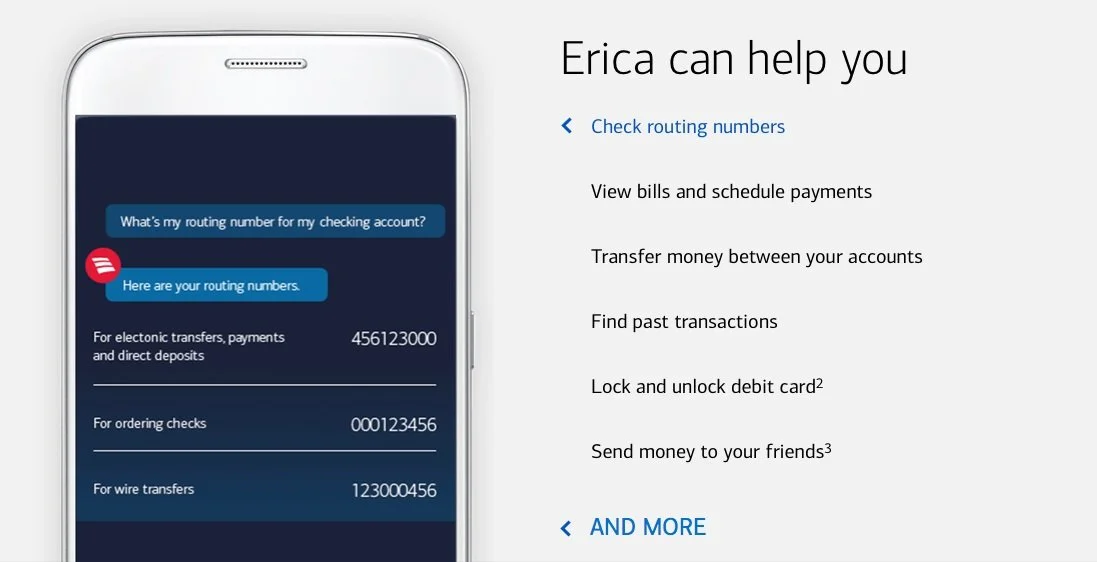
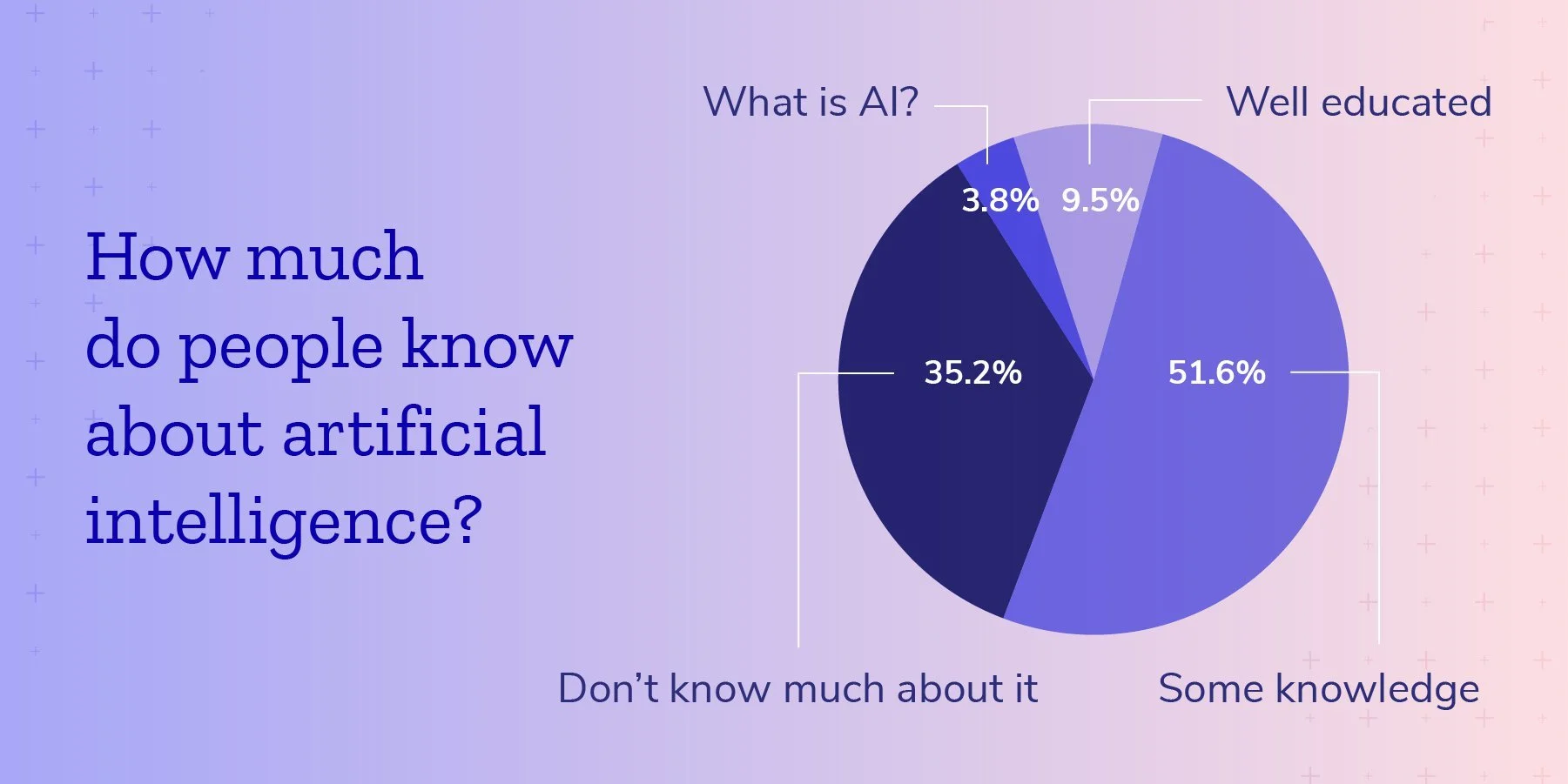
Photo courtesy of Bank of America
Photo courtesy of Mozilla
AI Sentiment
As the main technical writer on the project, I focused specifically on how the ways AI can communicate with users. I conducted research on general sentiment toward AI as an assistant for use by the average user who may only have some knowledge of AI. I also explored ideas such as the uncanny valley, ethical concerns, and mistrust of accuracy. Looking within the company, I reviewed and synthesized information from conducted interviews within JPMC to understand internal opinions and concerns about AI.
Competitor Analysis
I specifically researched how other companies within the financial sector used AI, while also completing a general audit of externally facing AI on company websites. By surveying what other companies did well and what they lacked in, as seen by consumer response, we set out to define key features we wanted to avoid and include.
03. Critical User Journey
Based on these insights, we created a few personas that we felt best represented the two user groups we were designing for — internal and external clients. From there, we looked to see what pain points AI could address for them, their hesitations in using it, and their current skill level to create user flows reflecting their various interactions with our product. We looked at a hour-by-hour schedule of internal employees as we looked at points with friction that AI could smooth out.
04. Design
After defining the critical user journey, we started to brainstorm. We divided the various use cases and got to work creating wireframes and low-fidelity prototypes. This was an extremely iterative process that saw many versions before we settled on the current one. Unfortunately, due to privacy concerns, I am unable to share any of the designs we iterated through, but rest assured, countless hours were spent on Figma.
05. Prototyping
We met weeklh with senior leadership and our mentors to receive feedback on our prototypes. Developing from what started as simply laying out templates, we worked to create a high-fidelity prototype that reflected all of our users’ needs. We worked within an existing design system at JPMC to create a product that innovated the current JPMC experience, while also remaining a consistent part of the experience.
06. Evaluate / Iterate
Due to the short time period, we were unable to set up user testing. However, we had many designers who were not related to the development of our work go through our product from the mindset of our persona and provide us with feedback on pain points.
From this, we were able to continuously evaluate what we did well and what needed to be improved upon.
07. Key Takeaways
Stakeholder Management
Working within various facets of senior management, we learned quickly that different stakeholders had different priorities for our work. With such a condensed timeline, I had to quickly master the skill of finding the balance between stakeholders’ expectations and the reality of what can be accomplished.
Collaboration
In many previous projects, I have been either the only designer or the lead designer. However, within our team, we were all designers and we chose to stray away from appointing one person as a leader. From this, I gained a better insight into working with other designers and playing to our strengths within design. For example, this summer was the beginning of my official work in technical communication, so I mostly worked within content design on the team.