
Next Step
Providing GED, college application, and career prep targeted towards low income and non traditional students to help them take the next step
PROJECT OVERVIEW
Common Good, a non-profit focused on remedying educational inequity in Atlanta, spoke with us about potentially create an application to aid students in the process of obtaining their GED or applying to college. Common Good wanted the app to be able to be used in conjunction with existing tutoring services, but also be able to be used as a stand alone resource.
Our team created a high-fidelity prototype of the app that we believed best served these goals and would be the most accessible for the chosen user group as our hackathon project.
I was responsible for user research, design system development, and UI/UX design for the application.
October 21, 2022- October 22, 2022
ROLE
Design Lead
METHOD
User research, prototyping, rapid iteration
DURATION
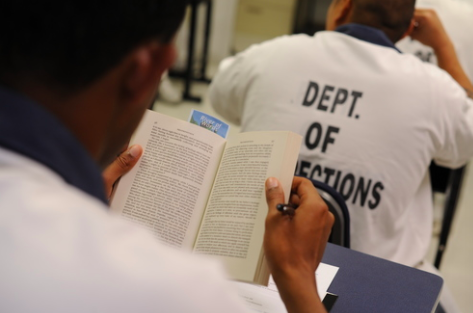
Photo courtesy of Georgia State University
Problem and Background
The achievement gap is a measure used to see whether the difference between two groups, usually an underrepresented group, is significant. Atlanta has one of the highest achievement gaps between black and white students in the nation. A combination of racial segregation and economic inequality puts low-income students and students of color at a severe disadvantage especially in the college application process, and it’s only getting worse.
In light of the pandemic, schools in high-poverty areas had a five percent drop in college enrollment — meaning that the students who would benefit the most from the upward mobility of college education are unable to access it.
Even those who choose a non-traditional path for education, such as the GED, face their own sets of challenges. One in six Georgians have low literacy skills due to underlying factors such poverty and incarceration. Low literacy serves as a barrier to not only continued education, but acquiring the requisite resources.
User Groups
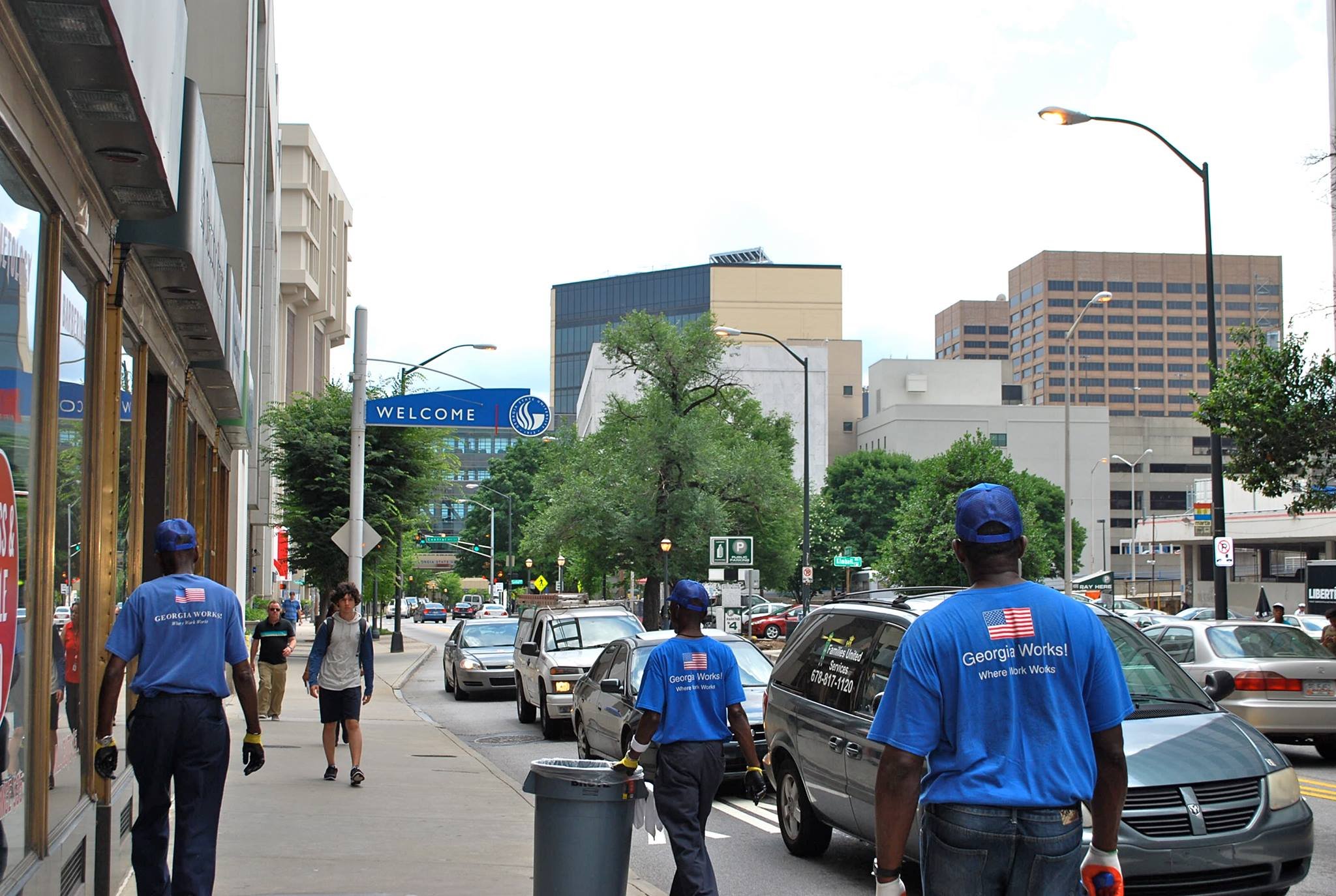
Photo courtesy of Georgia Works
People experiencing homelessness
People experiencing homelessness are more likely to have lower rates of literacy and less likely to hold a high school diploma. Both of these can serve as major obstacles to upward mobility in socio-economic status and it is often difficult for them to have access to the resources needed to remedy the issue.
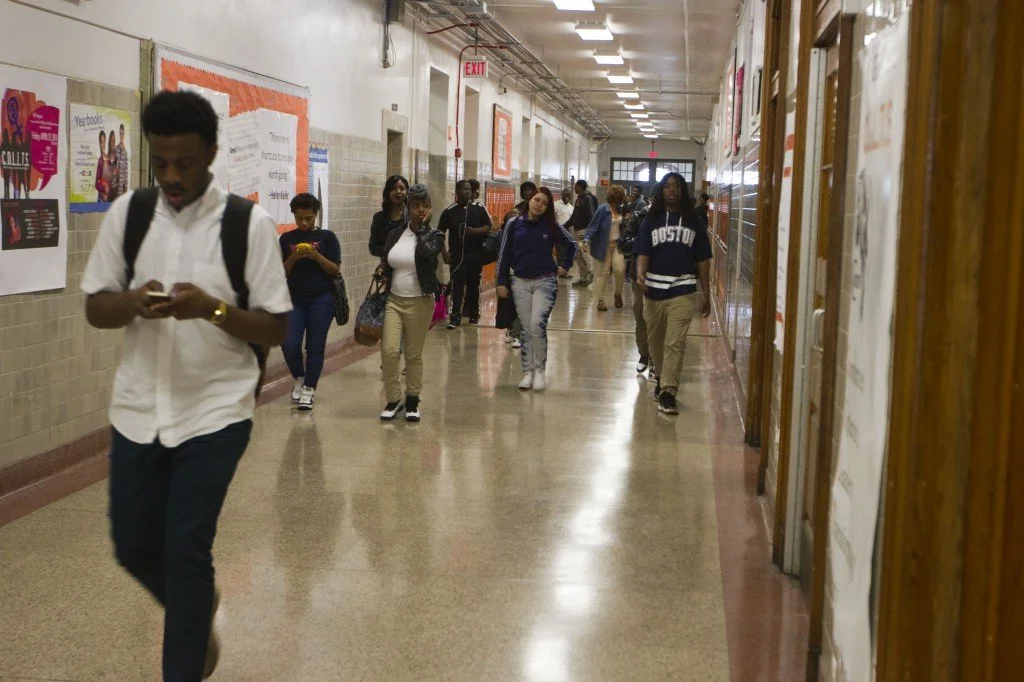
Photo courtesy of PBS
Low-income students
More than 51 percent of students across the nation’s public schools were from low income families in 2015. Between the oversaturation of students to college counselors and the actual cost of attendance of higher education, low-income students are often left behind by the school system
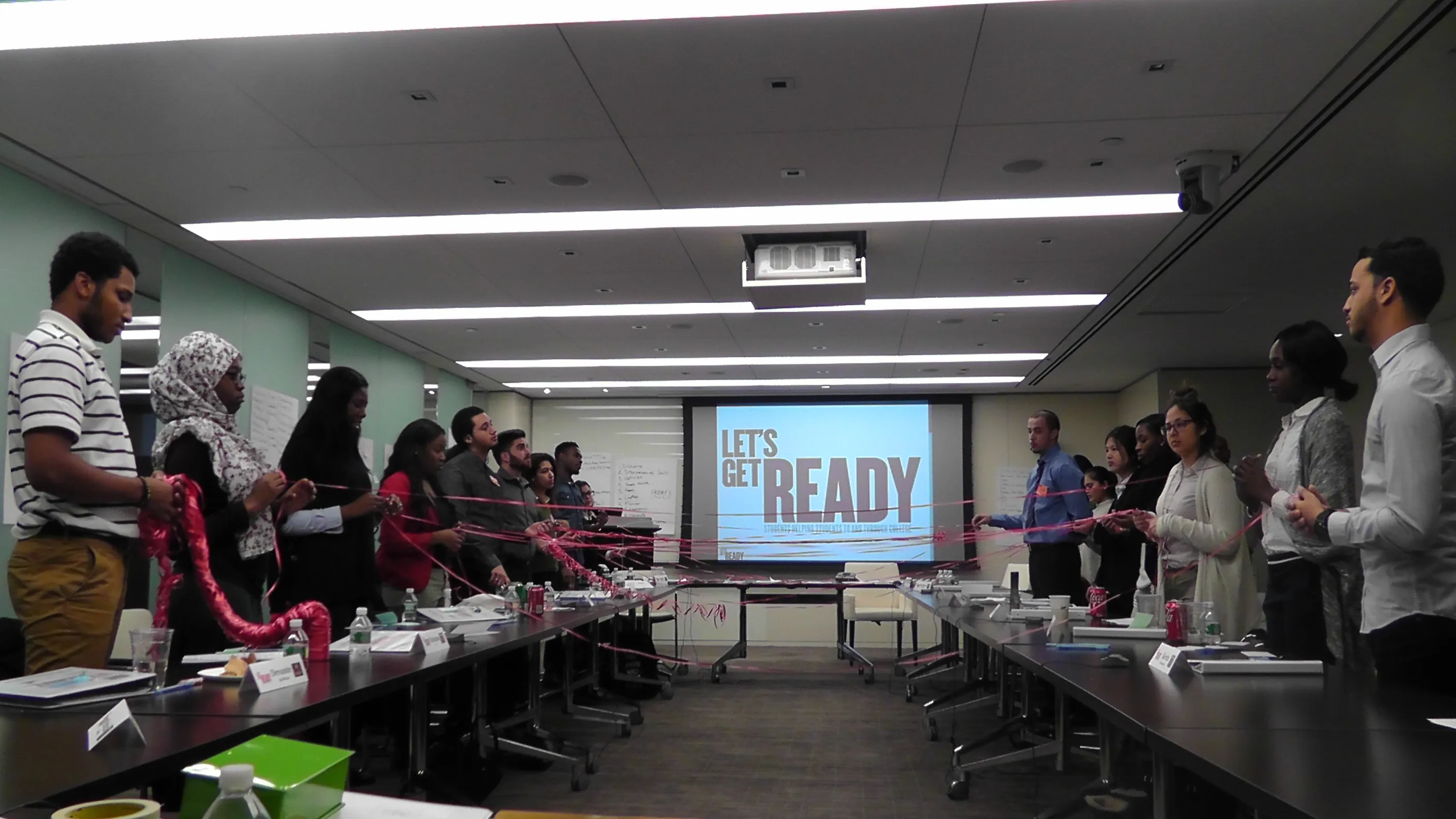
Photo courtesy of Hechinger Report
Educators
Schools in high-poverty areas have substanital difficulty staffing their classrooms with qualified teachers. This is detrimental to the students, who may not receive the attention they need, and teachers, who lack the time and resources to create a conducive learning experiment.
Our Priorities
Usable
Self sufficient
Comprehensive
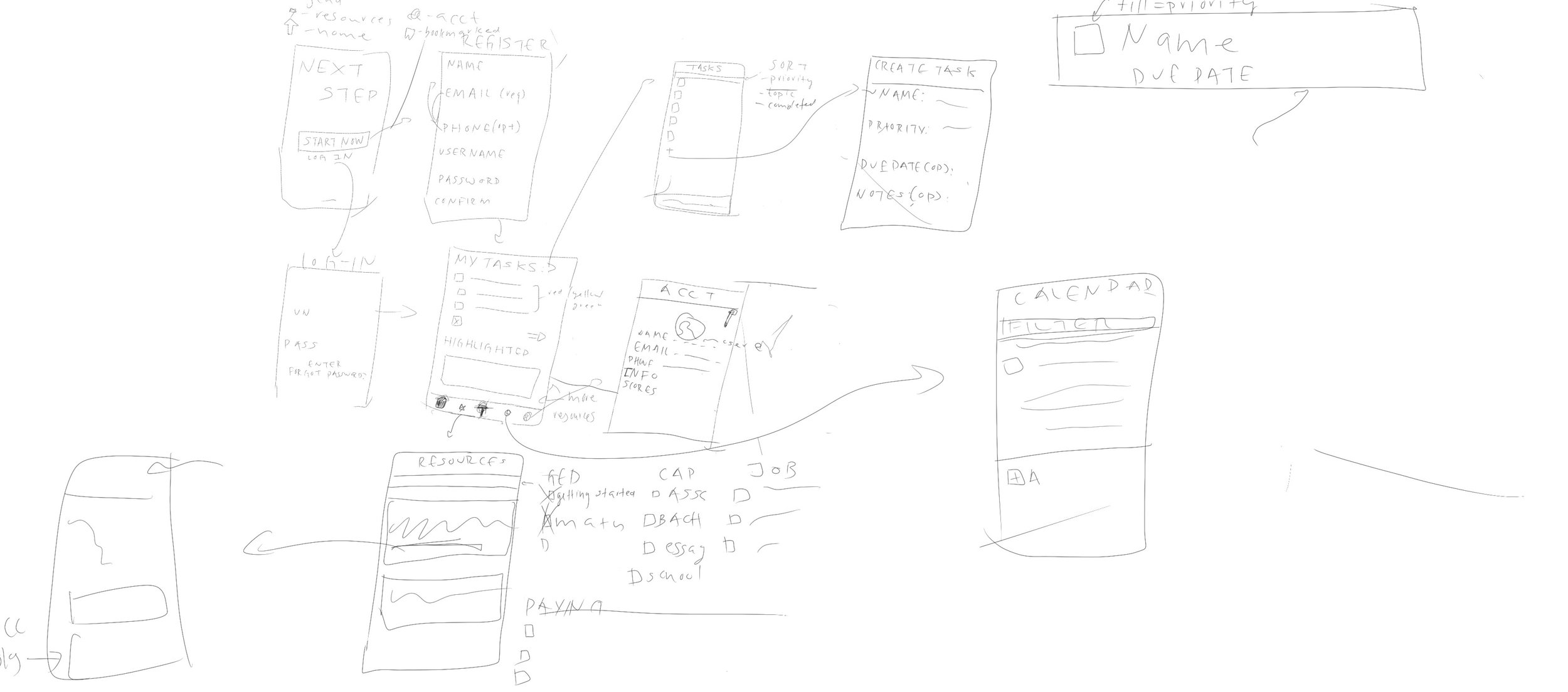
When whiteboarding, we recogonized the potential
issue of technical skills with our user groups and
focused on creating a clear and easy user flow.
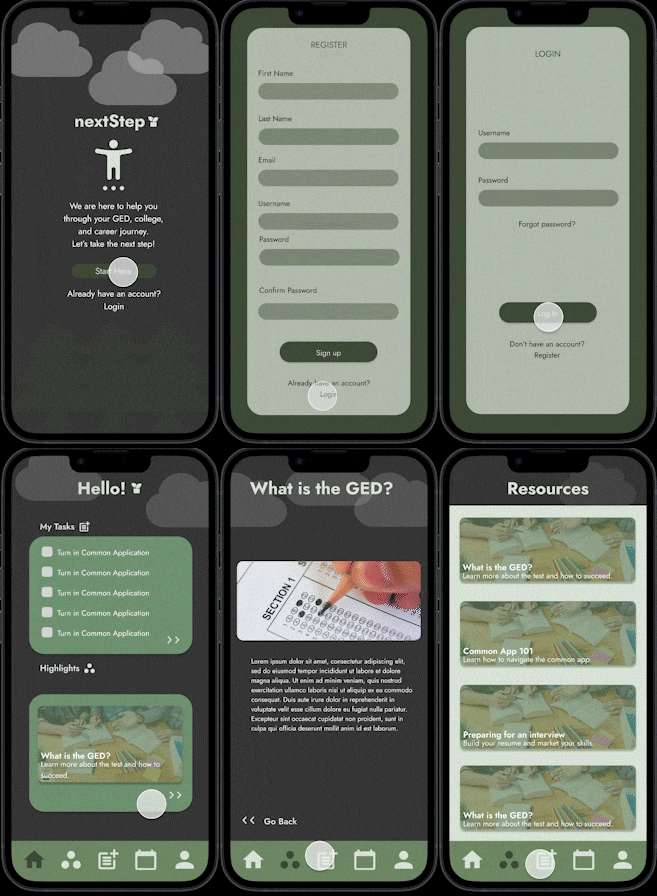
The first iteration of our app focused on creating a comprehensive and usable database of high-yield resources for the user on a variety of topics.
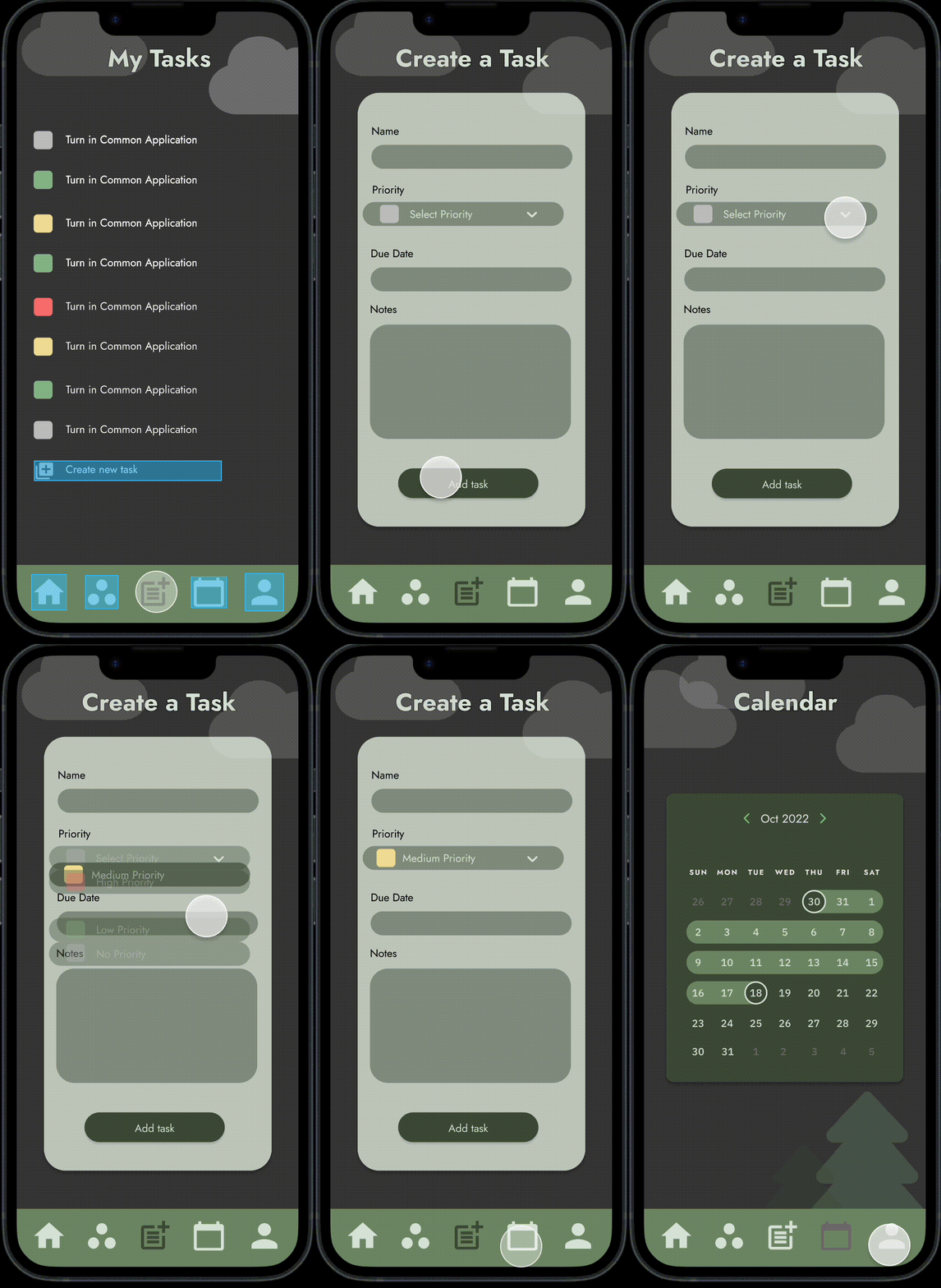
Other aspects we focused on with the app was integrating a task system with a calendar and the student’s account — allowing for self-sufficency and accountability.
Takeaways
My main takeaways from this project were the importance of user research and working with a multidisciplinary team.
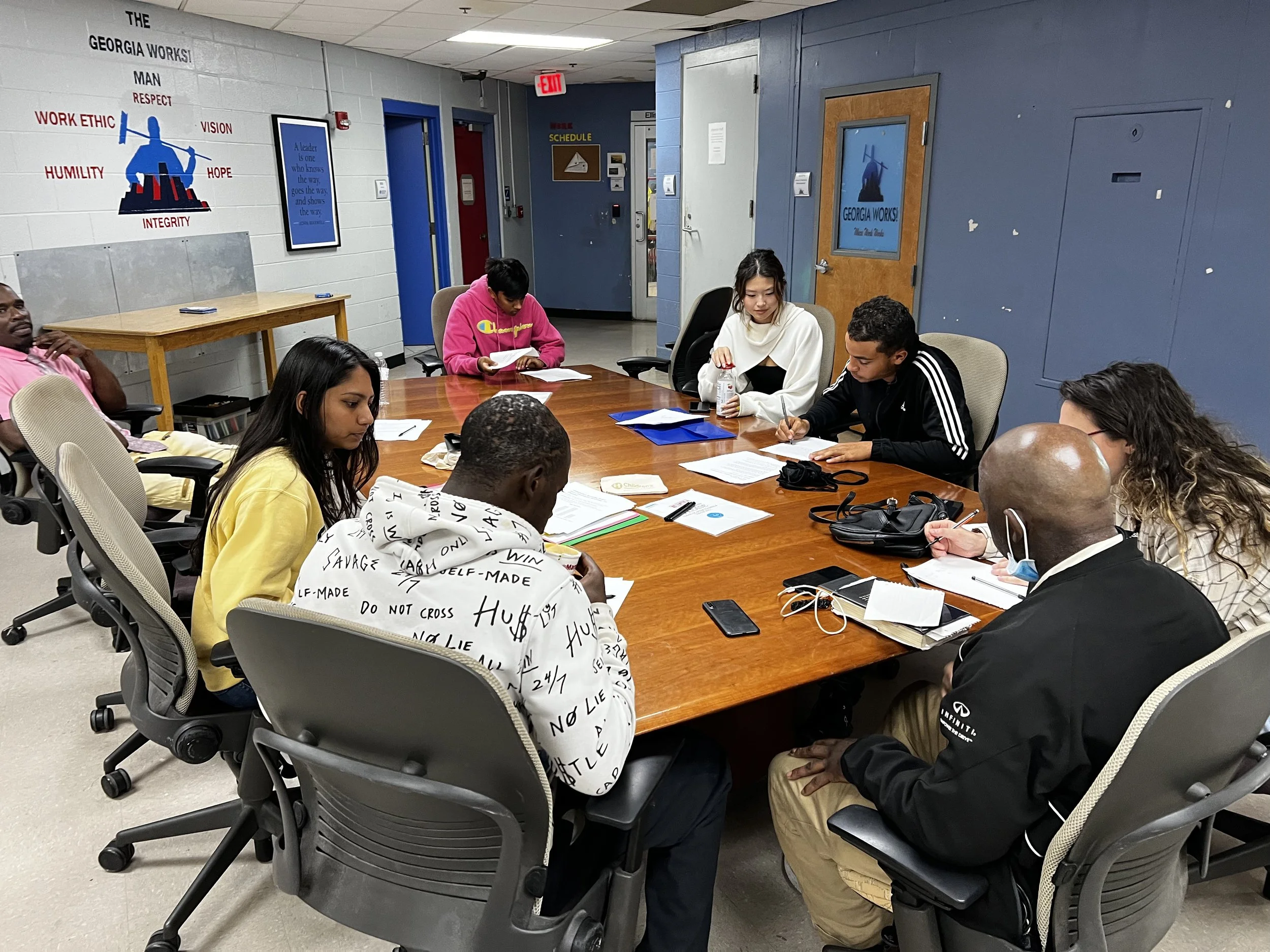
The image pictured to the left was one I took when I visited Georgia Works, a shelter for men experiencing homelessness, and spoke with the men about what specifically they struggled with in their journey for higher education. Many of them pointed to issues I never would have foreseen, such as how do you retrieve GED scores from a test taken during a period of incarceration. This reinforced for me the importance of always having a user-first mindset when designing and speaking with who you are designing for.
Second, working on a team with a variety of skills gave me a chance to consider all angles of the problem. Since we worked in a very small group, I had a chance to see how design impacted all steps of the process — from back end to business.